
You think it’s a routine task to expand your eCommerce business to a new channel? It sounds simple in theory: launch another sales channel, reach more customers, and increase revenue.
In reality, every new channel introduces a new layer of operational complexity that most brands aren’t prepared for. Not to mention, they are all different and have different policies.
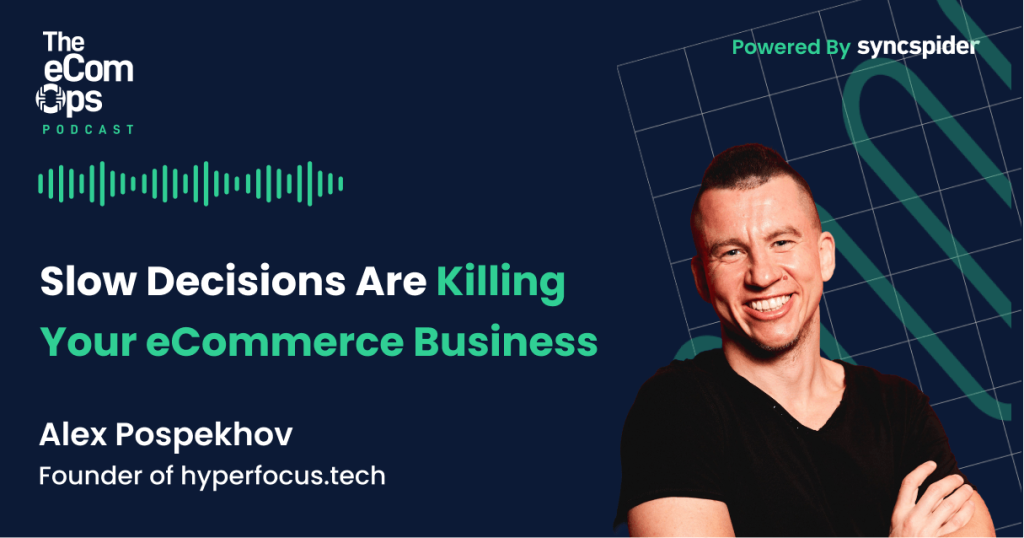
In this episode of the eCom Ops Podcast, Norbert Strappler sits down with Alex Pospekhov, founder of hyperfocus.tech, to discuss why spreadsheets eventually fail, how undocumented processes quietly limit growth, and why AI agents may become the operating layer modern commerce has been missing.
About
Alex Pospekhov is a serial technology entrepreneur whose background spans space systems, defense AI, and advanced data modeling. Before entering eCommerce, he spent years developing satellite technologies, forecasting solar storms, and translating highly complex scientific innovations into commercial products.
Today, Alex is the Co-founder of Hyperfocus, where he applies systems thinking and AI-powered automation to help eCommerce brands simplify operations, reduce manual work, and scale across multiple sales channels. His work focuses on replacing fragmented workflows with intelligent operational systems that enable smaller teams to achieve enterprise-level execution.
Hyperfocus.tech is an AI-powered operations platform built for brands selling across TikTok Shop, Amazon, Shopify, and wholesale channels.
Rather than acting as another analytics dashboard, Hyperfocus deploys AI agents that execute operational tasks, monitor compliance, support creator relationships, manage inventory workflows, and surface actionable insights. Its mission is to give growing brands access to operational capabilities that were previously available only to the largest enterprise retailers.
Key Takeaways
Growth Doesn’t Create Chaos, Complexity Does
Many founders believe scaling simply means processing more orders. Alex argues the opposite.
Every new marketplace, wholesale customer, or social commerce platform introduces an entirely new operating model, complete with different fees, customer expectations, compliance rules, fulfillment requirements, and inventory logic.
Growth isn’t linear. Complexity compounds.
Tribal Knowledge Is Every Growing Company’s Biggest Liability
One of Alex’s biggest observations after analyzing thousands of operations wasn’t poor technology. It was undocumented decision-making.
Critical knowledge often lives inside one employee’s head. When that person leaves, the company loses years of operational expertise overnight. His advice is simple:
Document first and automate second.
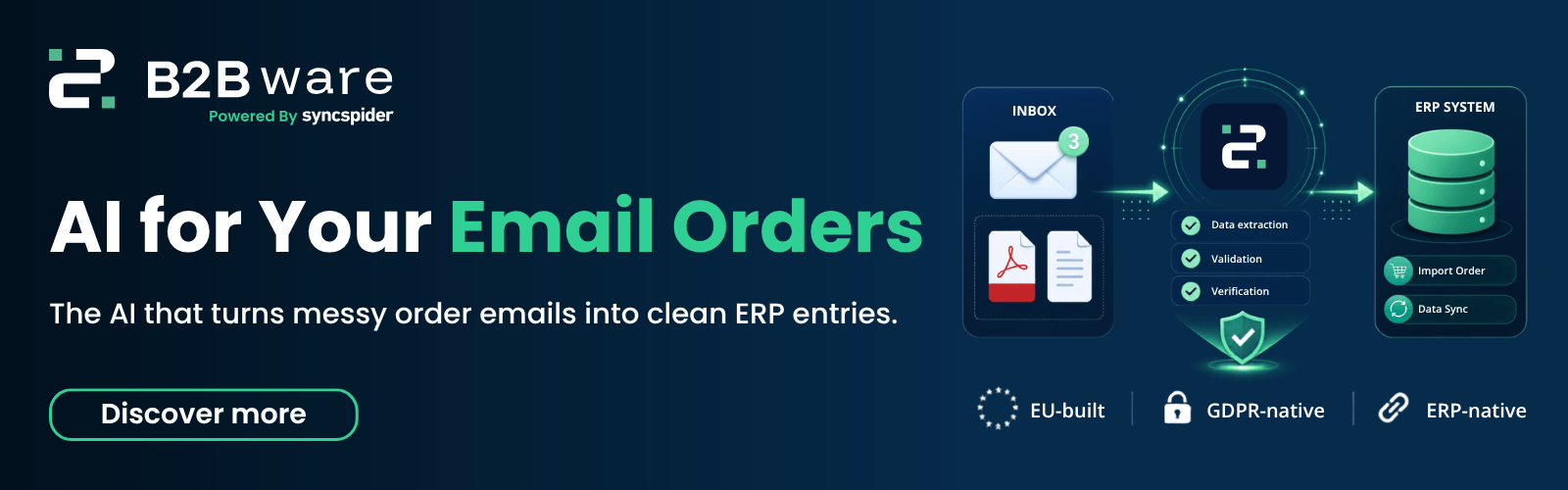
Spreadsheets Don’t Break Businesses, They Prevent Them From Growing
Excel isn’t the enemy. Treating Excel as the business system is.
Spreadsheets remain valuable for analysis, forecasting, and scenario planning. But they should never become the company’s source of truth.
As Alex explains, founders often mistake spreadsheets for operational infrastructure until growth exposes every limitation.
AI Should Execute Work, Not Just Generate Content
While most conversations about AI focus on writing copy or generating images, Alex believes the next evolution lies in operational execution.
Instead of producing another report, AI agents can monitor inventory, check compliance, evaluate creators, prioritize tasks, and even request human approval when necessary.
The goal is removing repetitive operational work.
Hiring Doesn’t Solve Broken Systems
Many companies respond to growth by hiring more people. Alex believes that’s often the wrong answer.
Without standardized processes and a unified operational layer, additional employees simply add more complexity. Better systems create better scalability, not larger teams.
Conclusion
Adding another sales channel should increase revenue, not operational headaches. Yet for many brands, growth exposes undocumented processes, disconnected systems, and decision-making that simply can’t keep up.
Alex Pospekhov argues that the next competitive advantage won’t come from hiring larger teams or creating more dashboards. It will come from building operational systems capable of making faster, smarter decisions across every channel.
If you’re planning to expand beyond a single storefront, this conversation offers a practical roadmap for preparing your business before complexity becomes your biggest bottleneck.
Summary
- Growth doesn’t break businesses, operational complexity does.
- Every new sales channel introduces an entirely new operating model.
- Tribal knowledge becomes one of the biggest risks to scaling.
- AI agents can execute operations, not just generate content.
- The brands that win will build systems before they hire more people.
Resources Mentioned
- Hyperfocus – AI-powered platform for automating eCommerce operations.
- Shopify – One of the commerce platforms discussed.
- Amazon – Marketplace used as an example of multi-channel complexity.
- TikTok – Discussed in the context of TikTok Shop and viral commerce.
- Microsoft Excel – Used throughout the discussion as an example of operational limitations.
- Elon Musk – Cited as the person who most shaped Alex’s thinking.
The No.1 eCom Operations hack
“You’re not adding a channel. You’re adding a new operating regime.”
This episode is brought to you by B2Bware
B2Bware by SyncSpider is a self-service B2B portal designed for manufacturers, distributors, and wholesalers that rely on complex pricing, ERP data, and large product catalogs, and don’t want to add more scripts. Schedule Your Free Consultation
See You on the Show!
Enjoyed this episode? Subscribe to the eCom Ops Podcast for more real talk with leaders in eCommerce, tech, and operations. If you’d like to share your story on the show, drop us a message. We’re always on the lookout for smart operators doing meaningful work.
See you next time!