
Every company wants digital transformation. Few stop to ask whether their business is actually ready for it.
They buy new software, launch AI initiatives, modernize their ERP, roll out new ordering systems, and then wonder why employees resist the change, data quality gets worse, and the promised efficiencies never arrive.
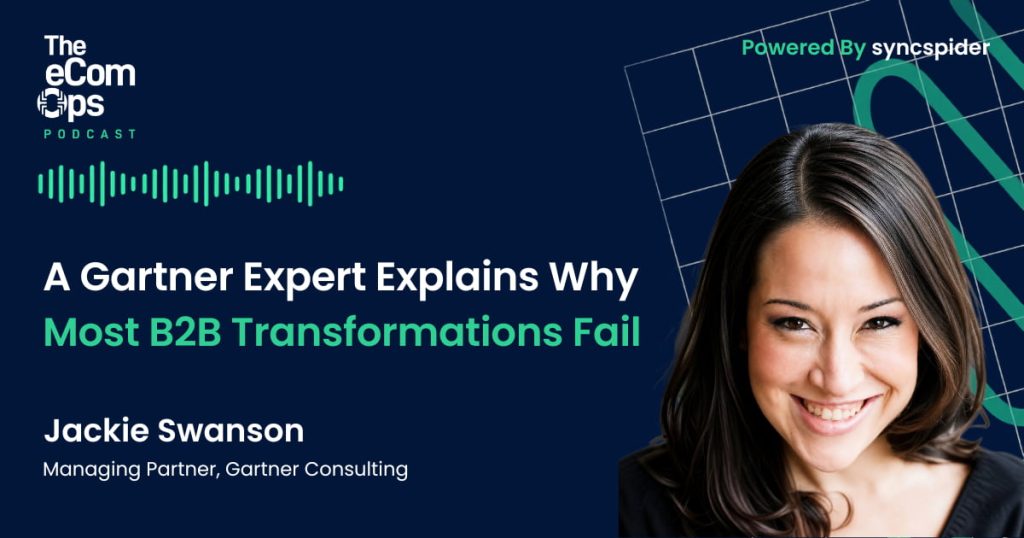
Jackie Swanson has seen this happen countless times.
As Managing Partner at Gartner Consulting, she has spent decades helping retailers, manufacturers, and consumer products companies navigate transformation projects worth millions. Her conclusion is surprisingly simple: technology rarely fails first. Operating models, data, and change management do.
In this episode of the eCom Ops Podcast, Jackie joins Norbert Strappler to explain why companies should rethink the order of transformation, why clean data is becoming the foundation of AI, how Shadow AI is quietly entering organizations, and why successful digital transformation starts long before selecting the technology.
About
Jackie Swanson is the Managing Partner at Gartner Consulting, where she leads global transformation engagements across retail, consumer products, manufacturing, and utilities. Before joining Gartner, she spent more than thirteen years at PwC helping organizations modernize operations and digital commerce.
Earlier in her career, Jackie worked directly in merchandising and retail operations, giving her firsthand experience managing margins, inventory, and the operational realities behind enterprise transformation. Today, she helps global organizations redesign operating models, improve data quality, and successfully adopt AI and digital technologies.
Gartner is one of the world’s leading research and advisory companies, providing organizations with research, consulting, and strategic guidance across technology, AI, operations, cybersecurity, supply chain, and digital transformation. Gartner Consulting works with enterprises worldwide to turn strategy into execution by improving business processes, operating models, and organizational performance.
Key Takeaways
Technology Doesn’t Transform Businesses, but Operating Models Do
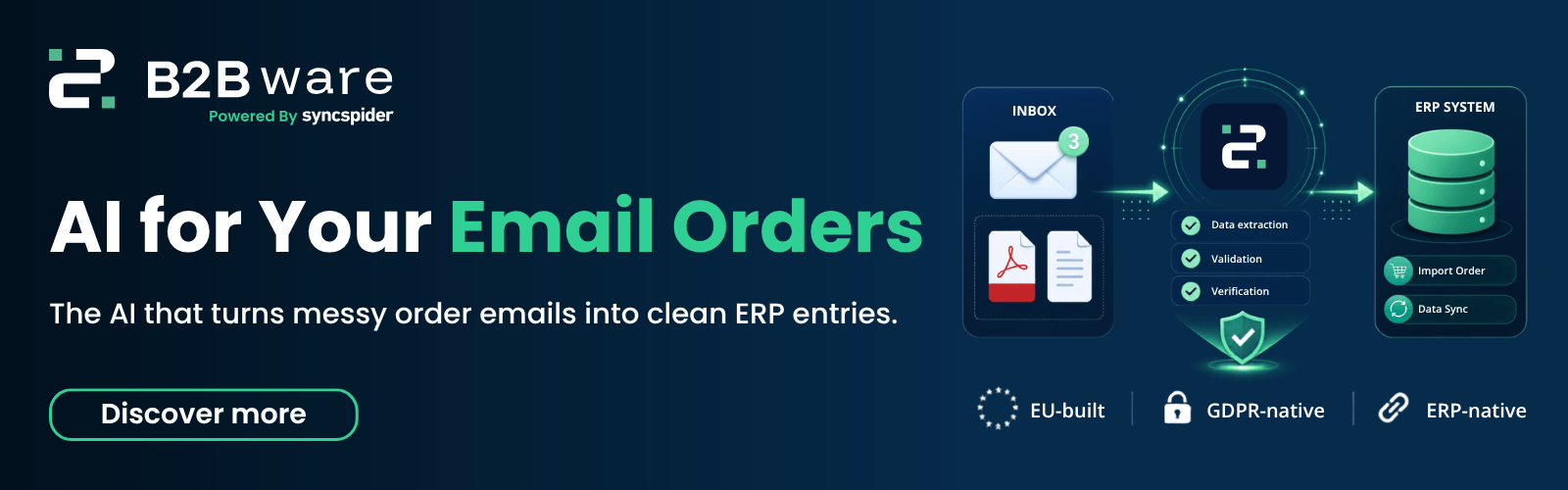
Many organizations begin digital transformation by selecting software. Jackie argues that the sequence should be reversed. Companies first need to understand how they want to operate, define the desired outcomes, and only then choose technology that supports those goals. Otherwise, they risk redesigning the business around the software instead of the customer.
AI Is Moving Faster Than Enterprise Governance
Consumers already use AI assistants every day, but enterprise environments cannot move at the same speed because of security, compliance, and governance requirements. This gap has created what Gartner calls Shadow AI – employees using personal AI tools for work outside approved company environments, introducing significant business risks.
Bad Data Starts with Bad Processes
Dirty data is rarely a technology problem. More often, it is created by disconnected systems, unclear ownership, manual workarounds, and inconsistent business processes. AI can help organize and validate information, but it cannot compensate for fundamentally broken data flows.
Digital Transformation Is Still a People Project
Technology doesn’t replace the experience of a great salesperson or field representative. The goal is to remove repetitive administrative work so employees can spend more time doing what humans do best: building relationships and serving customers. Adoption happens when people understand how technology helps them; not when they feel replaced by it.
B2B Buyers Expect B2C Experiences
Business buyers now expect the same transparency, personalization, and simplicity they experience as consumers. Email orders, phone calls, and manual paperwork are increasingly becoming competitive disadvantages as digital-first purchasing continues to reshape B2B commerce.
The Biggest Warning Sign Is Employee Chatter
Transformation projects rarely fail overnight. The earliest warning often comes from employees who feel excluded from decisions, confused by the changes, or unconvinced about the value of the new system. Strong change management remains one of the most important success factors in any transformation initiative.
Conclusion
Companies often believe digital transformation is about implementing better technology.
Jackie Swanson argues that technology is usually the easiest part.
The real work begins with people, operating models, clean data, and a clear understanding of how the business should function before introducing new tools.
As AI continues accelerating every industry, organizations that build strong operational foundations will benefit the most; not because they adopted AI first, but because they were ready for it.
Summary
- Successful digital transformation starts with the operating model, not the software.
- Shadow AI is becoming one of the biggest enterprise governance challenges.
- Bad processes create bad data, and bad data limits AI.
- Employees adopt technology when it supports their work rather than replacing it.
- Modern B2B buyers expect consumer-grade digital experiences backed by strong operations.
Resources Mentioned
- Gartner – Global research and advisory company helping organizations with technology and business strategy.
- Gartner Consulting – Gartner’s consulting division focused on transformation, operating models, and execution.
- PwC – Global consulting firm where Jackie spent more than thirteen years leading transformation initiatives.
- Claude – AI assistant discussed in the context of personal productivity and Shadow AI.
- ChatGPT – Example of consumer AI adoption inside organizations.
- Gemini – Google’s AI assistant referenced during the discussion.
- Amazon Business – Marketplace illustrating how B2B buying expectations continue to evolve.
- ERP – Enterprise Resource Planning systems discussed throughout the transformation conversation.
- EDI – Electronic Data Interchange used for business document exchange.
- PIM (Product Information Management) – Platform for managing product information across channels.
The No.1 eCom Operations hack
“Look at your business, say what are those outcomes that you want, and then have the technology match that process.”
This episode is brought to you by B2Bware
B2Bware by SyncSpider is a self-service B2B portal designed for manufacturers, distributors, and wholesalers that rely on complex pricing, ERP data, and large product catalogs, and don’t want to add more scripts. Schedule Your Free Consultation
See You on the Show!
Enjoyed this episode? Subscribe to the eCom Ops Podcast for more real talk with leaders in eCommerce, tech, and operations. If you’d like to share your story on the show, drop us a message. We’re always on the lookout for smart operators doing meaningful work.
See you next time!