
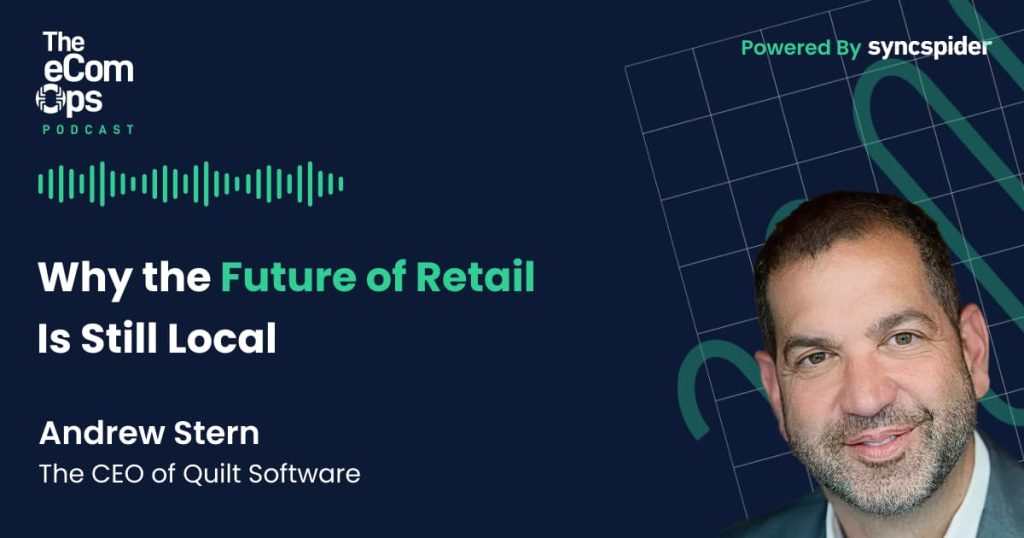
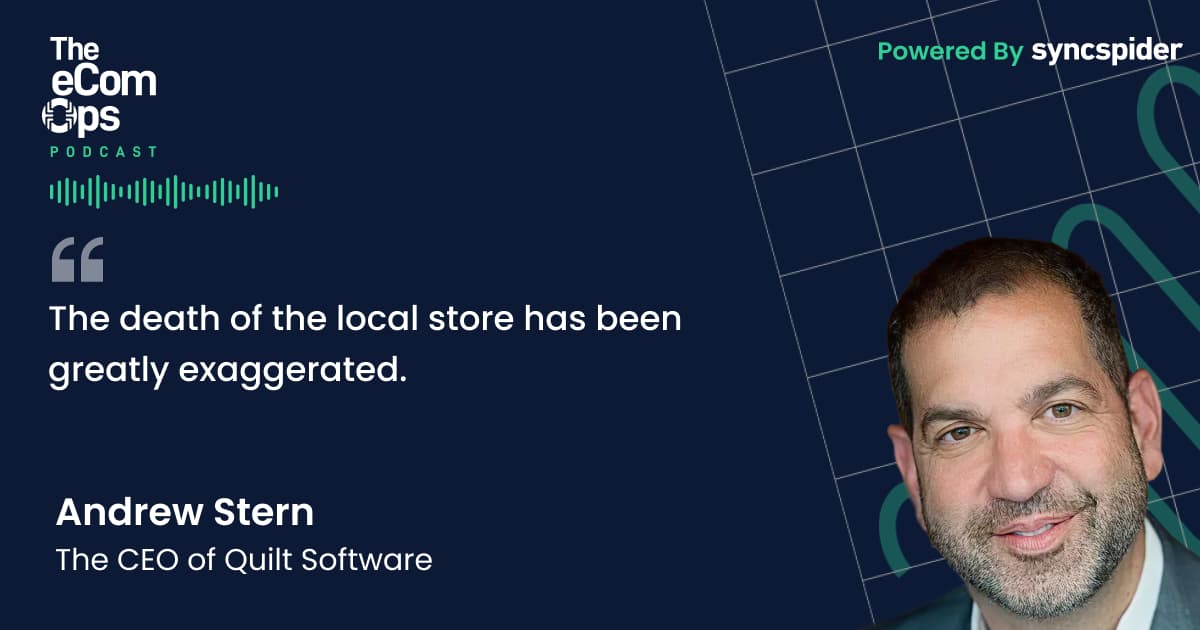
Can Main Street make a comeback? Andrew Stern, CEO of Quilt Software, believes it already is. His platform powers over 20,000 specialty retailers, from pet shops and music stores to jewelers and cafes, helping local businesses compete on data, efficiency, and customer experience without losing their human touch.
In this episode, Andrew joins Norbert Strappler to talk about the tech gap keeping small retailers behind, why big-box stores are the ones really at risk, and how software built for small businesses (not just sold to them) can help local retail thrive again.
About
Andrew Stern is the CEO of Quilt Software, a platform empowering specialty retailers with modern, purpose-built solutions. With over 20 years in the software industry and a career spanning billion-dollar corporations and startup ecosystems, Andrew is on a mission to bring modern technology to Main Street, helping independent stores stay competitive, connected, and human.
Quilt Software builds tailored POS and retail management systems for specialty retailers. From craft shops to liquor stores, Quilt delivers the same technology advantages enterprise chains enjoy, without the complexity. Its mission: keep Main Street strong by giving small retailers tools that work as hard as they do.
The Key Takeaways
Half the Market Still Runs on 30-Year-Old Software
- Many small retailers can’t use modern systems like Square or Clover because they need specialized functions. Quilt was born to modernize this neglected half of the market.
Serving Small Businesses Means Teaching, Not Just Selling
- Local retailers often don’t have IT or procurement teams. Quilt’s support team acts as both tech partner and business coach, guiding owners with real operational advice, not just software answers.
The Future of Retail Is Local… and Resilient
- E-commerce may dominate headlines, but local retail still makes up 85% of total sales. It thrives where human expertise matters, in pet shops, music stores, art framers, and the experiences Amazon can’t replicate.
Omnichannel Is Non-Negotiable
- Local stores need an online presence, even if customers buy in person. Integrating POS, inventory, and digital visibility is the key to bridging the local–online gap.
Retail Isn’t Dying; It’s Evolving
- Big-box chains are closing, not because retail is dying, but because they sit in the middle, neither local and personal nor efficient and cheap. Small, specialized stores are thriving by doing what giants can’t.
Three Rules for Retail Survival
- Focus on what you do best, your niche and expertise.
- Move to a modern omnichannel platform.
- Get ready for change, the “AI Revolution” in retail will reshape both physical and online stores.
The Real Reason Retailers Resist New Tech
- Many small shop owners cling to outdated systems because they’re feature-rich and familiar. Generational shifts and new expectations from younger owners are driving modernization.
Loyalty Isn’t Just Software but Creativity
- From classes and community events to personalized experiences, loyalty for local stores is about relationships, not rewards points.
Resources Mentioned
- Quilt Software – Purpose-built retail platform for specialty stores.
- Square / Clover – Referenced as generic POS tools not suited for specialized retailers.
- Astro Loyalty – Pet industry loyalty program mentioned as a vertical-specific integration.
- DoorDash – Example of integrating local stores with delivery platforms to build an omnichannel presence.
Conclusion
You shouldn’t be worried about rumors of local stores disappearing; they’re rediscovering their power. As Andrew Stern explains, Main Street’s future is not about competing with Amazon; it’s about using technology to protect what makes local retail human.
The No.1 eCom Operations hack
“Small retail is a completely different sales process. There’s no IT department, no procurement department… It is literally one person behind the counter.”
See You on the Show!
Enjoyed this episode? Subscribe to the eCom Ops Podcast for more real talk with leaders in eCommerce, tech, and operations. If you’d like to share your story on the show, drop us a message. We’re always on the lookout for smart operators doing meaningful work.
See you next time!