
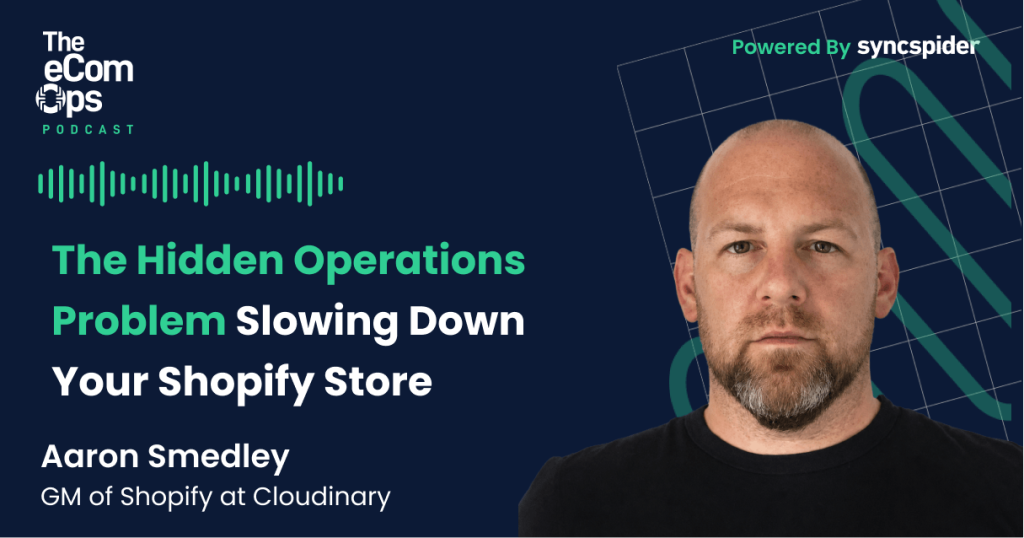
Most eCommerce teams think product images are a creative problem: Pick the right angle, make it look premium, upload it, done. But according to Aaron Smedley, GM of Shopify at Cloudinary, that mindset quietly creates operational chaos.
Because once you scale beyond a handful of SKUs, visuals stop being “design assets.” They become infrastructure. And when that infrastructure breaks, conversions, site speed, support tickets, and even returns start breaking with it.
About the Guest
Aaron Smedley is the GM of Shopify at Cloudinary and a longtime digital commerce operator with experience spanning brands like Apple and Arc’teryx. Over the past 15 years, he has led digital transformations, untangled complex commerce stacks, and helped global brands scale premium customer experiences across retail and DTC channels. His core belief: visuals are not decoration: they are operational systems that directly impact performance, trust, and revenue.
Cloudinary is a visual media platform that helps brands manage, optimize, transform, and deliver images and videos across digital experiences. The platform enables businesses to automate media workflows, improve site performance, maintain brand consistency, and deliver optimized visual experiences across devices and channels. Its technology is widely used by eCommerce brands managing large product catalogs, complex media operations, and global storefronts.
The Key Takeaways
Why Product Images Become an Ops Problem
At a small scale, visuals feel manageable. At scale? Entirely different story.
“The visual layer is the UI of the operating system.”
Aaron explains that brands often underestimate how much operational complexity sits behind a single product image:
- approvals
- versions
- metadata
- transformations
- delivery formats
- channel variants
- mobile optimization
- localization
And when all of that lacks structure? Things quietly fall apart.
The 4 Quiet Failure Modes
Most brands don’t notice visual operations problems immediately because they don’t explode dramatically. They leak margin slowly.
Aaron outlined four major operational costs:
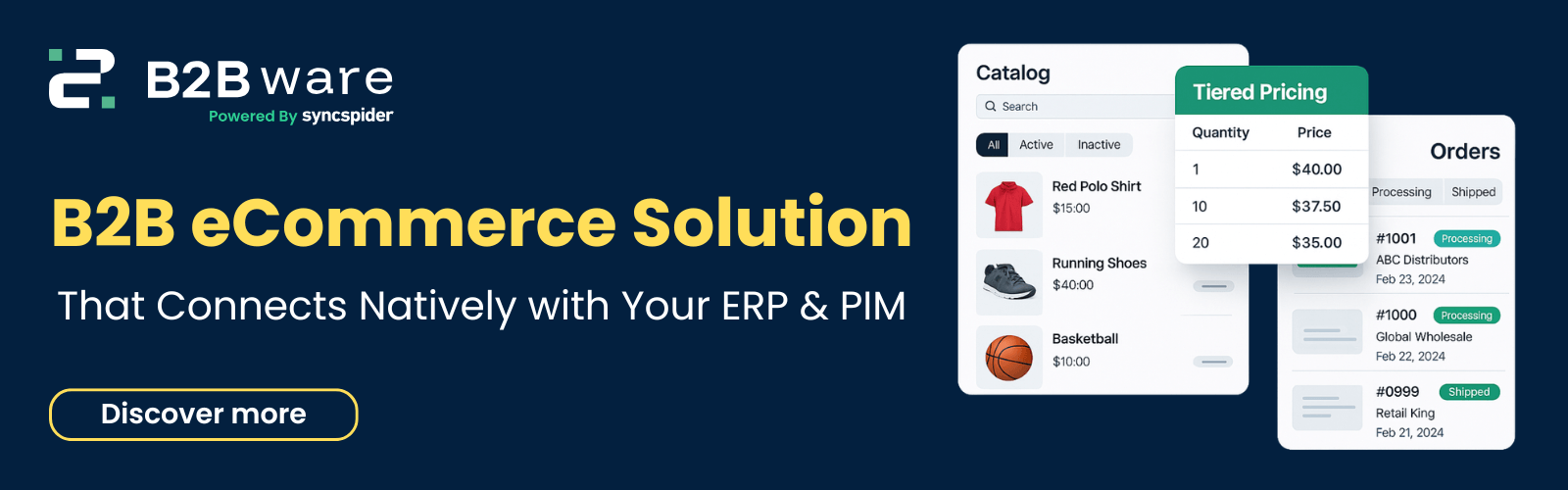
- Slower Pages: Heavy or poorly optimized assets kill performance.
“A beautiful slow page is still a really slow page.”
And on mobile, slow means abandoned sessions.
- Wrong Expectations = More Returns
Wrong variant shots, misleading images, missing scale references…
Customers buy one thing and receive another.
“When one product image can create a support ticket or return if it’s the wrong image, it’s Ops’s problem.”
- Teams Waste Time Hunting Files: Every eCommerce team knows this pain:
- final_v2.png
- final_FINAL.png
- final_use_this_one.psd
Aaron calls this “hidden headcount.”
“That asset chaos as it builds… is hidden headcount.”
- Slower Time to Market: Without systems, launches slow down because teams spend time fixing media admin instead of shipping products. And no brand scales efficiently like that.
Why Most Shopify Brands Get This Wrong
Because Shopify makes launching easy. Too easy, sometimes.
You upload images, drag products around, publish pages, and suddenly the store works.
Until:
- you add 5,000 SKUs
- multiple variants
- multiple markets
- multiple teams
- multiple channels
Then the media layer becomes operational debt.
Aaron’s Advice for Smaller Shopify Brands
The good news? You don’t need enterprise infrastructure on day one.
Aaron recommends starting simple by:
- Picking a naming convention: Create rules early
- Create one source of truth: One repository – one version
- Focus on your top-performing SKUs first: ” Don’t boil the ocean. “Fix the money SKUs first and start small.”
- Automate repetitive media tasks: Cropping, resizing, compression, formatting – stop doing those manually. Because creative people shouldn’t spend their day resizing PNGs.
AI Is Powerful, But Automation Matters More First
One of the most interesting parts of the conversation was Aaron’s distinction between AI and automation. Most brands mix them together. But they’re not the same thing.
“Automation provides efficiency and repeatability. AI provides decision-making.”
And honestly? That’s one of the clearest explanations of the difference we’ve heard on the podcast.
Where AI Actually Helps
Aaron sees major potential in:
- auto-tagging
- de-duplication
- brand compliance checks
- automated renditions
- performance analysis
- dynamic delivery optimization
But he’s skeptical about AI-generated creative fully replacing human storytelling.
“AI generated images… lack emotional resonance.”
That Pixar analogy was excellent, by the way.
Real Human Behavior Still Wins
One of the strongest themes throughout the episode was this: Customers don’t behave like dashboards.
They skim, compare, get distracted, and shop on weak mobile networks while standing in airports.
And visuals need to support that reality, not some idealized UX prototype.
“People are looking to be empowered through information and visuals.”
That’s why Aaron pushes brands to:
- test on real phones
- test on mediocre connections
- prioritize confidence-building visuals
- optimize for clarity, not just aesthetics
The Apple Lesson
Aaron’s Apple background shaped a lot of this thinking. One detail stood out:
“Every bit of friction is tax.”
That mindset applies perfectly to eCommerce operations.
Every slow image, missing variant, confusing gallery, oversized video, or broken workflow quietly taxes the business. And at scale, those taxes compound fast.
Summary
- Visuals are operational systems, not just creative assets
- Poor image management creates hidden operational costs
- Site speed and visuals are deeply connected
- Asset chaos becomes “hidden headcount”
- AI helps most when paired with strong systems and automation
- Real-world customer behavior should shape UX decisions
- The best Shopify brands treat media like structured product data
Resources Mentioned
- Cloudinary – Visual media platform for managing, optimizing, and delivering images and videos at scale across eCommerce experiences.
- Apple – Referenced as an example of operational excellence and customer experience design.
- Arc’teryx – Premium outdoor brand discussed in relation to brand consistency and digital transformation.
- Shopify Plus – Enterprise commerce platform mentioned throughout the discussion around scaling Shopify operations.
- PhotoRoom – AI-powered image editing tool useful for SMBs handling quick product image optimization workflows.
- Seth Godin – Marketing author and thinker referenced during the book recommendations section.
Books Worth Reading
Aaron shared three book recommendations that have shaped his thinking on brand, marketing, and strategy.
Story Driven by Bernadette Jiwa – Recommended by Seth Godin himself, this book makes the case that the most successful businesses are not competition-driven but story-driven. It bridges cultural storytelling with practical commercial skills, showing how a clear narrative becomes a competitive advantage that no competitor can copy.
This Is Marketing by Seth Godin – A clear, accessible framework for understanding what marketing actually is and what it is for. Aaron recommends it for anyone inside an organization who needs a grounded perspective on how marketing functions and why it matters beyond just campaigns and budgets.
Obliquity by John Kay– A recommendation Aaron picked up after a Rory Sutherland talk, this book explores the counterintuitive idea that the most complex goals, happiness, wealth, success, are best achieved indirectly. Still early in the read at the time of recording, but already making an impression.
Don’t Make Me Think by Steve Krug – A timeless guide to web usability built around one simple principle: great design removes the need for users to make decisions. Essential reading for anyone building digital commerce experiences.
The No.1 eCom Operations hack
“When a wrong variant shot ships the wrong expectation, Ops ends up paying the price.”
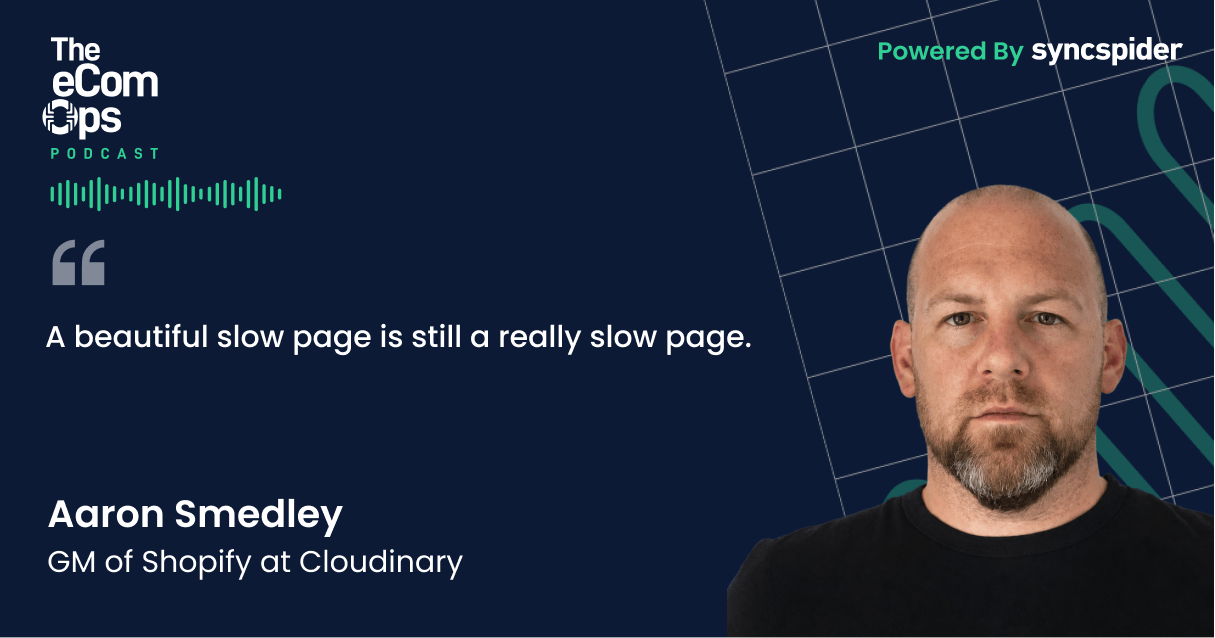
This episode is brought to you by B2Bware
B2Bware by SyncSpider is a self-service B2B portal designed for manufacturers, distributors, and wholesalers that rely on complex pricing, ERP data, and large product catalogs, and don’t want to add more scripts. Schedule Your Free Consultation
See You on the Show!
Enjoyed this episode? Subscribe to the eCom Ops Podcast for more real talk with leaders in eCommerce, tech, and operations. If you’d like to share your story on the show, drop us a message. We’re always on the lookout for smart operators doing meaningful work.
See you next time!